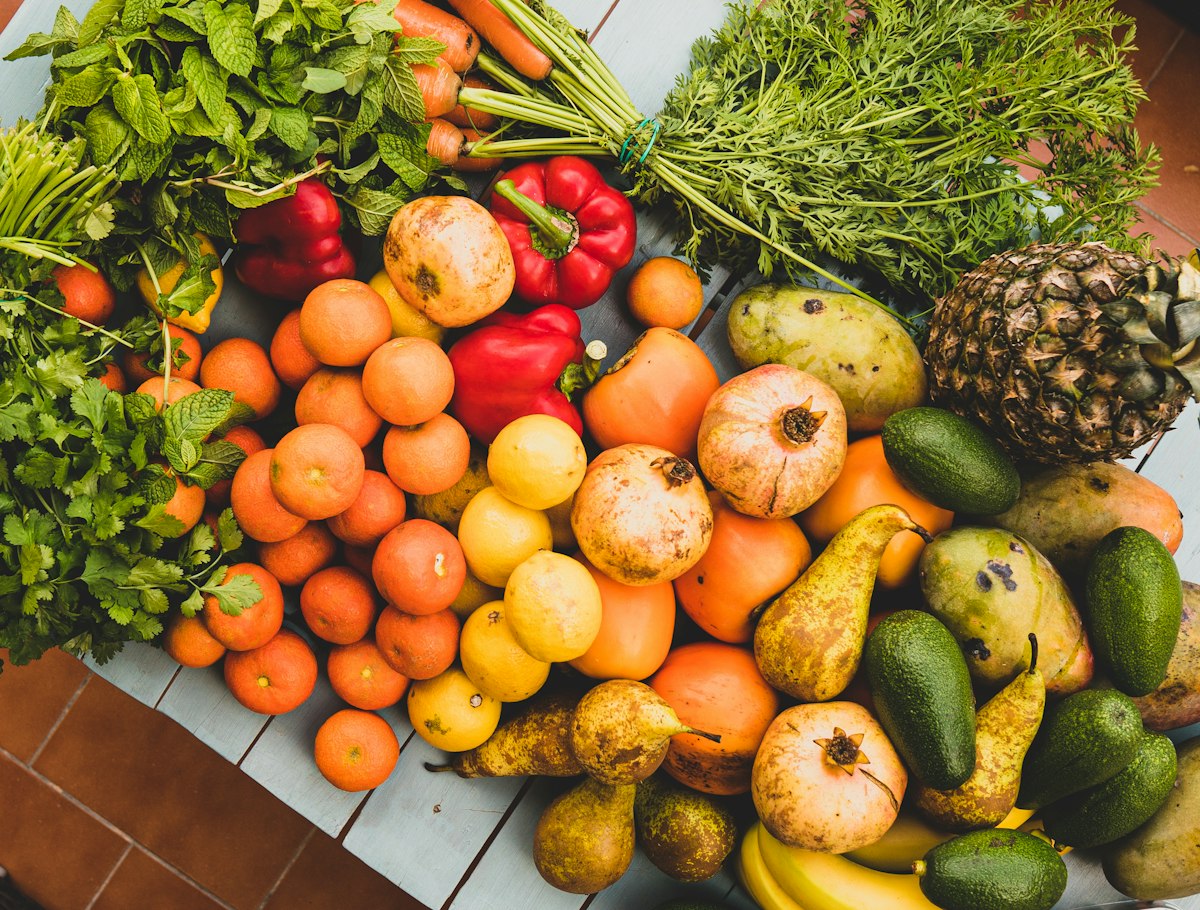

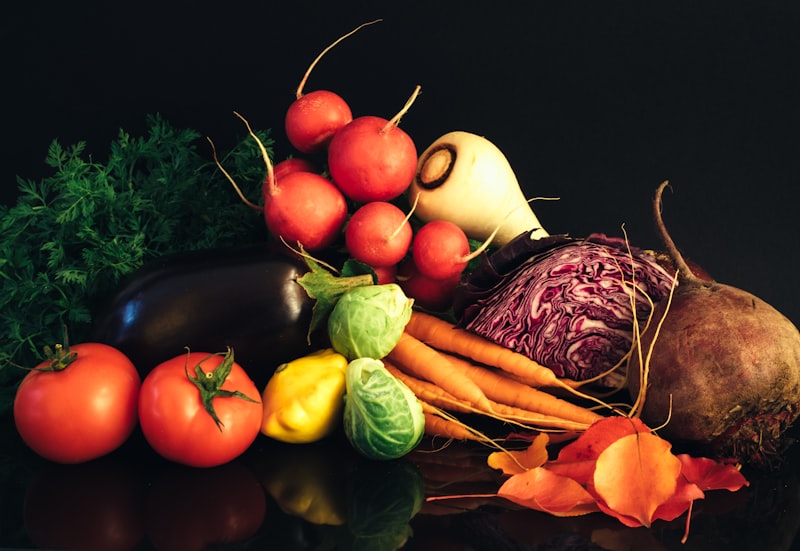
The first box of imperfect produce that showed up on our porch had a bell pepper shaped like a lopsided figure eight and carrots that looked like they'd been in a minor scuffle. My kids thought it was hilarious. I was mostly curious whether the advertised savings on these subscription boxes of cosmetically imperfect fruits and vegetables were real or just clever marketing around produce that was going to get sold anyway.
After a full month of ordering, cooking through, and comparing prices item by item against our regular grocery store, I came away with a more nuanced answer than I expected — genuinely worth it for some households and situations, and not automatically the deal it's marketed as for others.
What These Boxes Actually Are
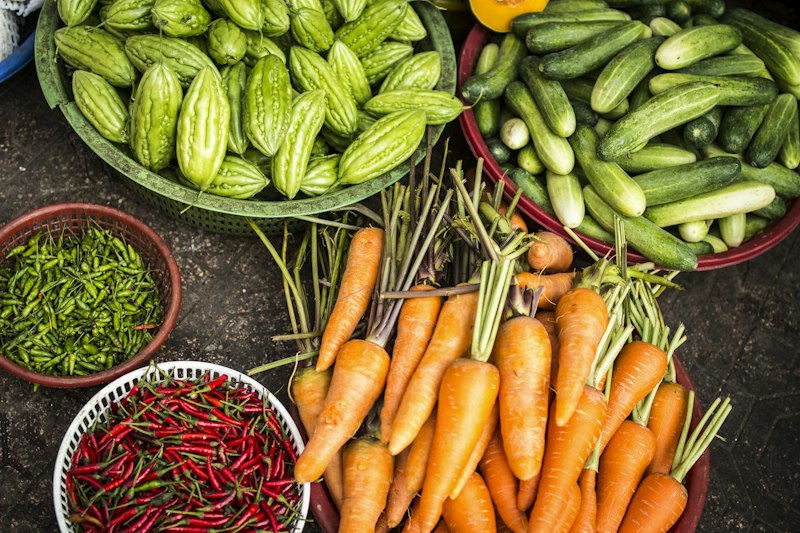
Imperfect or "ugly" produce services work with farms to sell fruits and vegetables that meet every quality and safety standard but don't meet the cosmetic appearance standards that traditional grocery stores require — a curved cucumber, an oddly sized potato, an apple with a slight color variation. None of this affects taste, nutrition, or safety. It affects whether a picture-perfect grocery store shopper would have picked it off a shelf, which is a purely visual bar that a lot of perfectly good produce doesn't clear.
The environmental pitch is that this produce would otherwise often go unsold and get discarded at the farm level, which is a real and legitimate issue in food supply chains. The savings pitch is separate from that, and it's the part I wanted to actually verify with real numbers rather than take on faith.
Doing the Actual Price Comparison
I kept a simple running list for four weeks: every item that came in the box, its quantity, and what the equivalent quantity would have cost at our regular grocery store for standard, not organic, produce. Some categories showed a real, meaningful discount — bell peppers, citrus, and root vegetables consistently came in cheaper per pound than grocery store pricing, sometimes by a wide enough margin that it was clearly worth it on its own.
Other categories were closer to a wash once I factored in delivery fees and the fact that the box contents were somewhat randomized rather than chosen by me, meaning some weeks included items my family doesn't eat much of, which is money spent on food that didn't get fully used. Leafy greens in particular showed up more banged up than other categories and had a shorter usable window before wilting, which ate into the savings if I didn't use them within a couple of days.
The Randomization Problem
The biggest practical friction wasn't price — it was not choosing exactly what comes in the box. Most of these services let you set broad preferences (more fruit, less of a specific vegetable, family size versus smaller portions) but you're still getting whatever the farm has extra of that week, which means some weeks are a perfect match for what my family cooks and other weeks require rethinking the meal plan around three pounds of something we don't usually buy.
This turned out to be a genuine skill-builder, honestly. Getting a box with an unusual amount of one vegetable forced me to look up new ways to use it rather than falling back on the same five meals, which was an unexpected upside once I stopped resenting having to improvise.
Where the Real Savings Showed Up
The clearest financial win wasn't actually the per-pound price comparison — it was that a box arriving on a set schedule meant we always had a baseline of fresh produce in the house, which reduced the number of times we defaulted to a less healthy, more expensive convenience option because the fridge was empty of fresh food mid-week. That's a harder number to put a precise dollar figure on, but it was real in how it changed our weeknight decisions.
Who This Actually Makes Sense For
For a household that cooks flexibly and is comfortable building meals around whatever produce is on hand rather than a fixed shopping list, these boxes are a solid value, particularly for the categories that showed the clearest discount. For a household that shops with a very specific weekly menu already planned and doesn't want ingredient surprises, the randomization is more likely to be a source of friction and occasional waste than genuine savings.
What I'd Tell Someone Considering It
Try it for a genuine trial period, not just one box, since a single week can be misleading in either direction depending on what happens to be available that week. Track what you're actually using versus letting go bad, honestly, for at least three or four deliveries before deciding. And compare specifically against what you'd pay for the same items at your regular grocery store, not against organic or specialty pricing, since that's an unfair comparison that will always make the box look better than it actually is.
We've kept a smaller, less frequent version of the subscription going after that first month — not because it's dramatically cheaper across the board, but because the categories where it clearly wins, combined with the built-in reason to cook more creatively, made it worth keeping around.
One more thing worth tracking, if you try this yourself: note which specific items arrive already close to their usable window versus which have plenty of shelf life left. That distinction told us more about which categories were genuinely a good value than the sticker price alone ever did, since a discounted item that spoils before you can use it isn't actually a discount at all.