

In 2010, American consumers redeemed approximately 3.3 billion paper coupons. By 2024, that number had fallen below 600 million — a decline of more than 80% in fourteen years. The Sunday newspaper insert, once a weekly ritual for budget-conscious households across the country, has largely vanished. Many newspapers have stopped printing them entirely. Coupon insert publishers have scaled back dramatically.
If you watched this transition from the outside, you might conclude that couponing is dead. The opposite is true. Americans saved more through coupons and promotions in 2025 than at any point in history. What changed wasn't the behavior — it was the medium.
What Killed Paper
Several forces converged. Newspaper circulation has been declining for two decades; fewer subscribers meant fewer eyeballs on coupon inserts. The cost of printing, distributing, and processing paper coupons rose steadily. And the redemption rates were terrible — industry data showed that only about 1-2% of distributed paper coupons were ever redeemed, meaning 98% went straight to recycling or trash.
For manufacturers and retailers, paper coupons were an extraordinarily inefficient way to reach consumers. They paid for printing and distribution, then hoped someone would clip, carry, and present a tiny piece of paper at the right store for the right product. The logistics were medieval in a digital age.
Digital coupons solved every structural problem. Distribution is instant and free. Targeting can be personalized to individual shoppers. Redemption is automatic at checkout through loyalty cards. And the data generated — what people buy, when, in what combinations — is enormously valuable for future promotions. Paper offered none of this.
The Digital Ecosystem That Replaced It
The paper coupon had one channel: the newspaper. Its digital successors occupy at least six distinct channels, each with different mechanics and reach.
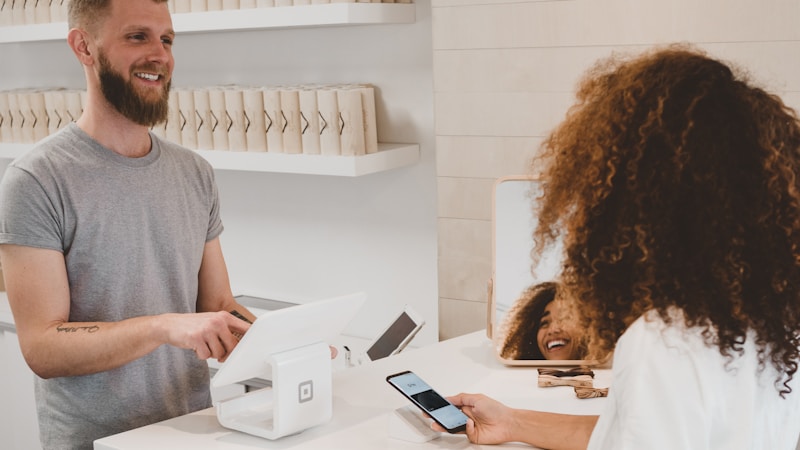
Retailer apps and loyalty programs became the primary channel. Kroger, Target, CVS, Walgreens, Publix, and virtually every major chain now offer digital coupons through their apps. These coupons auto-apply at checkout when linked to a loyalty card. No clipping, no printing, no forgetting. The retailer controls the offers and uses purchase data to personalize future deals.
Cashback apps created an entirely new savings channel that didn't exist in the paper era. Ibotta, Fetch Rewards, and Checkout 51 offer post-purchase rebates — you buy the product, scan your receipt, and earn cash back. This model was impossible with paper and has become one of the fastest-growing consumer savings channels, with Ibotta alone facilitating over $1.5 billion in consumer savings in 2024.
Browser extensions and online portals handle the e-commerce side. Rakuten, Capital One Shopping, and PayPal Honey automatically apply promo codes and earn cashback on online purchases. These tools are invisible to the shopper — they run in the background and interject only when savings are available.
Manufacturer digital coupons migrated from newspapers to platforms like Coupons.com and SmartSource, where they can be loaded to store loyalty cards or printed (for the remaining paper-accepting stores). The coupons themselves are functionally identical to paper manufacturer's coupons but distributed more efficiently.
Social media and influencer deals represent a newer channel. Brands distribute exclusive promo codes through Instagram, TikTok, and YouTube creators. This reaches younger demographics who never engaged with newspaper inserts and probably never would have.
Email and SMS marketing from brands and retailers deliver personalized offers directly to consumers. While many people ignore these, the ones who engage find deals tailored to their purchase history.
Why Digital Is Better for Consumers
The shift from paper to digital wasn't just a format change. It fundamentally improved the consumer experience in several ways.
Accessibility. Paper coupons required a newspaper subscription, time to clip, and physical organization. Digital coupons require a smartphone and 5 minutes. The barrier to entry dropped from significant effort to almost none.
Stacking became easier. In the paper era, combining a store coupon with a manufacturer's coupon required having both in hand and hoping the cashier knew the store's policy. In the digital era, both are loaded to the same loyalty card and stack automatically. The system does the work.
Personalization. Paper inserts were one-size-fits-all. Your neighbor got the same coupons you did, regardless of what either of you actually bought. Digital coupons can be personalized — Target Circle, for instance, offers individualized deals based on your purchase history. You see coupons for brands you actually use.
Higher values. This is counterintuitive, but digital coupons tend to have higher face values than paper ones. The average digital coupon value in 2025 was $1.82, compared to $1.34 for paper, according to Inmar Intelligence. Manufacturers can afford higher values because digital distribution is cheaper and targeting is better.
What Was Lost
Not everything about the paper-to-digital transition is positive. The Sunday insert was a communal experience — families sat together, clipped together, and planned shopping trips together. There was a tangible satisfaction in walking into a store with a organized envelope of coupons and watching the total drop. Digital coupons are more efficient but less visceral.
The digital divide is real. Older adults and people without smartphones or reliable internet access lost a savings channel that required no technology. While most stores still accept paper manufacturer's coupons, the supply has dwindled to the point where paper-only couponers have far fewer options.
Data privacy is a legitimate trade-off. Every digital coupon you use generates data about your shopping habits. That data is used to target you with future promotions — which is useful when it means better deals, and uncomfortable when it means your grocery store knows more about your dietary habits than your doctor.
Where It's Heading
The next frontier is likely automatic optimization — AI-powered systems that monitor your purchase patterns and automatically apply the best available combination of coupons, cashback, and loyalty rewards without any consumer effort. Some early versions of this exist (Capital One Shopping is a simple version), but a fully integrated system that optimizes across all channels would represent the logical end point.
For now, the key takeaway is this: if you stopped couponing when the newspaper inserts disappeared, you stopped participating in a system that has gotten significantly better without you. The medium changed. The opportunity grew. And your phone can now do in seconds what that coupon binder took hours to accomplish.