
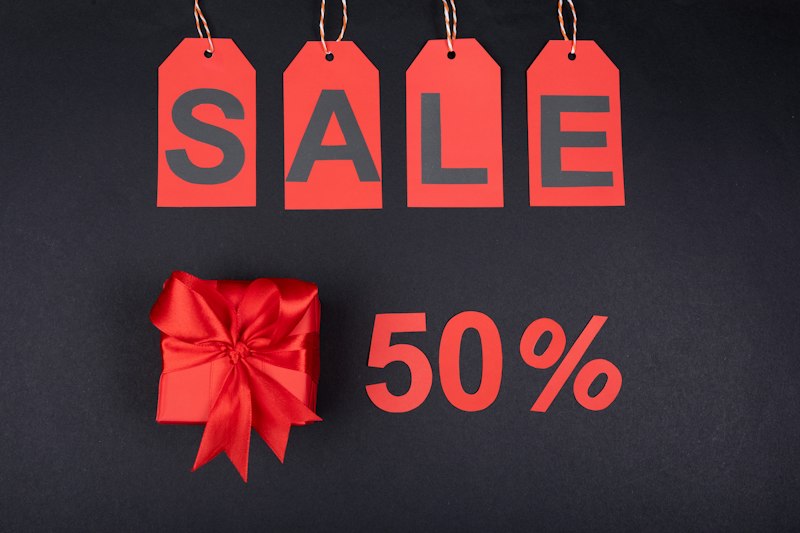

Every year around this time, my inbox turns into a wall of red banners. "LABOR DAY BLOWOUT." "BIGGEST SALE OF THE SEASON." "UP TO 60% OFF EVERYTHING." And every year, I go through the same ritual: I open a spreadsheet, paste in a handful of product links, and watch the actual price history tell a very different story than the banner does.
Labor Day sits in a weird spot on the retail calendar. It's not quite back-to-school (that peaked weeks ago), it's not quite fall (too early for coats and boots), and it's not a gift-giving holiday. So retailers use it as a catch-all clearance excuse — which sounds great for shoppers, except that "clearance excuse" cuts two ways. Some of what you'll see marked down really is old stock retailers need off the shelves before fall resets. Some of it is just last week's price with a bigger, redder sticker on it.
Here's how I sort one from the other before I let myself buy anything.
Why This Particular Weekend Is Different
Labor Day sales exist for a structural reason, not a sentimental one. Retailers use the long weekend to clear summer merchandise — patio furniture, fans, swimwear, grills — because floor space and warehouse space need to be free for incoming fall and holiday inventory. That's a real, physical constraint. A store that doesn't move its summer stock now is paying to store it, mark it down further in October, or eat the loss entirely.
That means categories tied to summer (outdoor gear, warm-weather clothing, coolers, anything seasonal) tend to carry genuine, meaningful discounts around Labor Day. The incentive to actually clear them is real, not manufactured for the ad copy.
But Labor Day has also become a generic "sale weekend" that retailers slap onto categories with no seasonal pressure at all — electronics, mattresses, furniture, appliances. For those, there's no warehouse forcing anyone's hand. The "sale" is often just a marketing calendar entry, and the price behind it may not have moved much, or at all, from a normal Tuesday.
The Price-History Check
The single most useful habit I've built is checking a price-history tool before I trust any percentage-off claim. Several free browser extensions and price-tracking sites keep a running chart of what an item has actually sold for over the past several months. Before I buy anything advertised as a Labor Day deal, I pull up that chart.
What I'm looking for is simple: did the price actually drop below its normal range, or did it just return to a price it's hit a dozen times already this year? A surprising number of "sale" prices are just the item's regular price with a strikethrough added above it. The strikethrough number, in a lot of cases, is a manufacturer's suggested price nobody has charged in months — sometimes years. That's not a discount. That's a magic trick with a felt-tip marker.
Reading the Language on the Tag
Retailers are pretty consistent, whether they mean to be or not, in how they signal genuine clearance versus recycled inventory. Genuine clearance tends to say things like "final markdown," "clearance," or gives you a specific reason tied to inventory — "end of season," "discontinued color," "last units." These phrases exist because the retailer genuinely needs the item gone; they're not going to restock it, so the price reflects that urgency.
Recycled-inventory sales tend to use vaguer, more emotional language: "doorbuster," "limited time," "today only," "flash sale." These phrases create urgency without committing to anything about the item's actual status. Nothing about "today only" tells you whether the price is lower than last month, and often, it isn't. It's simply a deadline manufactured to make you decide faster than you'd otherwise want to.
The Cart-Test Trick
Here's a low-effort test I use for anything I'm on the fence about: add the item to your cart, and then just... wait. Don't check out. Come back in a day or two and see if the price changed. If a retailer is running a genuine time-limited sale, the price in your cart should hold steady through the sale window and then increase afterward. If the price quietly drifts around day to day regardless of any "sale ends Monday" banner, that's a good sign the whole thing is dynamic pricing dressed up as an event, and the Labor Day label is decorative.
Categories Worth Trusting This Weekend
Based on the actual clearance mechanics, I put more faith in Labor Day markdowns for anything genuinely seasonal and physical: patio furniture, grills, coolers, garden tools, pool accessories, and warm-weather clothing. Retailers have a real reason to want this stuff gone before fall floor sets arrive, and warehouse costs make holding onto it expensive. These are the categories where I've personally seen the steepest, most legitimate cuts.
Mattresses, furniture not tied to outdoor use, and electronics get advertised heavily around every single retail holiday, Labor Day included, without a strong underlying reason for the discount to be real. These categories are worth the price-history check every time, because the sale calendar for them is manufactured, not structural. If the price-history chart shows the same number three times already this year, the banner is doing more work than the price tag.
My Actual Rule Now
I've stopped treating "Labor Day Sale" as information. It tells me a retailer wants my attention this particular weekend — nothing about whether the price underneath is unusual. My rule now is boring but effective: check the history, read the language on the tag, and if I still can't tell, let it sit in the cart for 48 hours before deciding. Most of what turns out to be fake urgency reveals itself in that gap. The stuff that's genuinely marked down usually holds its price through the whole window, because the retailer actually needs it gone — not just noticed.